Find a church in Arthur
Service times, addresses and a plain description of what each congregation believes, for every church in the village.
7 congregations across 7 denominations in Arthur.
Service times, addresses and a plain description of what each congregation believes, for every church in the village.
7 congregations across 7 denominations in Arthur.
Weekly Sunday services, from each church's own website. Holiday and summer schedules can differ.
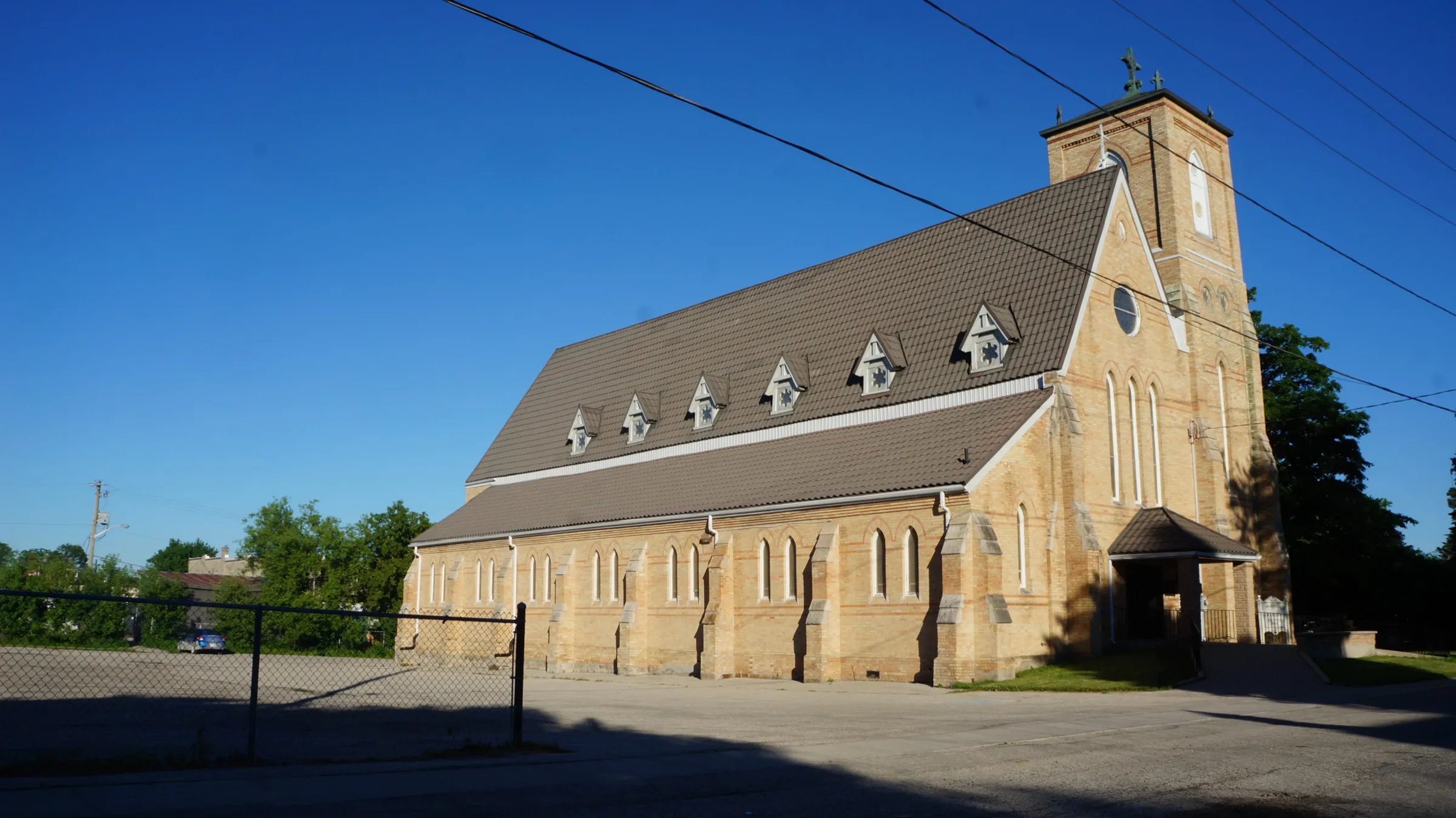
150 Georgina Street
Sundays 10:30 a.m.; Tuesday to Friday 9:00 a.m.
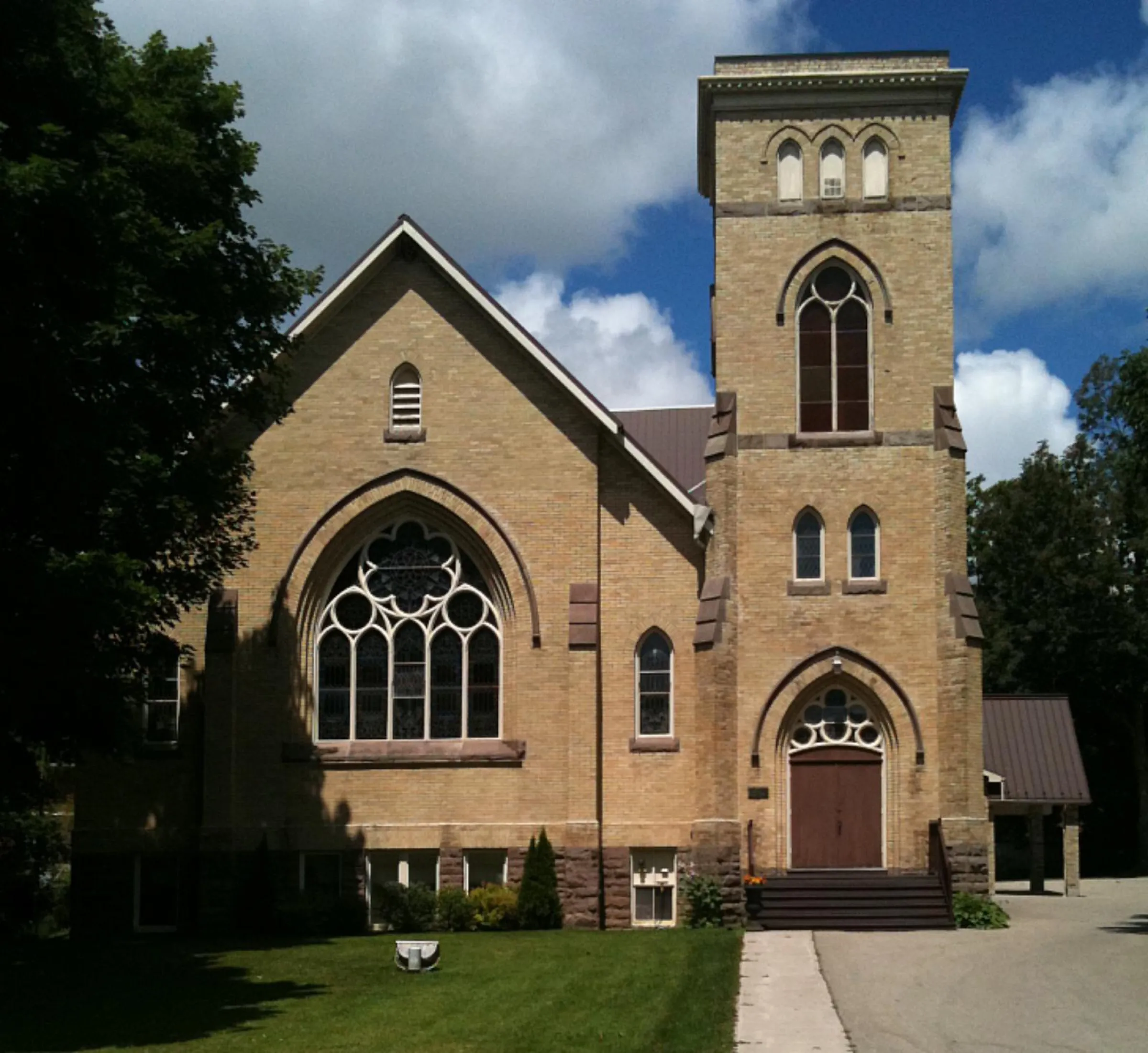
Arthur is small enough that you can walk to most of its churches from the main corner, and old enough that several of them have stood there since the 1890s. Seven congregations meet in the village on a Sunday, from the stone and buff-brick churches downtown to a Reformed congregation that first gathered here in 2022. This guide lists all of them so you can find a service this Sunday.
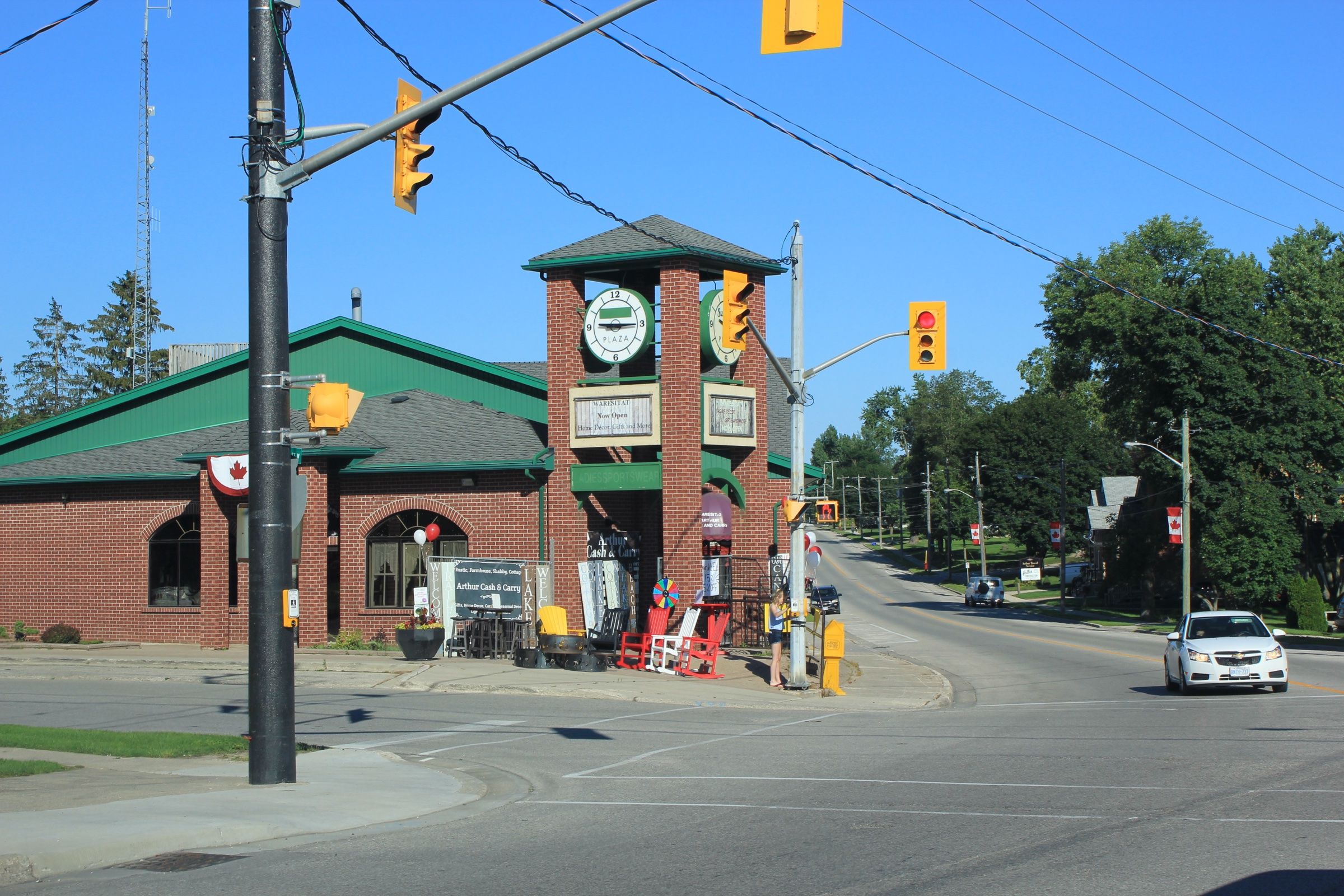
Arthur sits on Highway 6 where the land flattens out north of the Grand River watershed, about 25 km north of Fergus and 20 km south of Mount Forest. Settlers arrived in 1840, the year after the survey line was run, and the place took the name of Arthur Wellesley, the Duke of Wellington. Mills on the Conestogo River drew people in: 22 residents in 1841 had become more than 1,500 by 1900. The village was incorporated in 1872, when the Toronto, Grey and Bruce Railway came through, and in 1897 it was among the first villages in Ontario to be connected to an electricity line.
The village kept its own council until 1 January 1999, when it was amalgamated into the Township of Wellington North along with Mount Forest and the old townships around them. The 2021 census counted 2,628 residents. In 2002 Arthur was recognized as Canada’s Most Patriotic Village, for the number of its people who enlisted in the two world wars; the fieldstone cenotaph in Memorial Park carries the honour rolls, and flags fly along the main street most of the year.
Three of Arthur’s congregations were meeting here before the village was fifty years old, and their buildings still stand within a block or two of the main corner.
Everything downtown is walkable. The United and Anglican churches are neighbours on Tucker Street, St. John’s is a two-minute walk east on Georgina, and St. Andrew’s is a block north on Frederick Street East. Parking is free and unmetered throughout the village, which makes Arthur an easy place to visit a church you have not been to before; there is room on the street outside every one of them.
Service times are spread through the morning, from the Mennonite Fellowship at 9:45 and the Canadian Reformed at 9:00 to the United, Catholic and Pentecostal congregations at 10:30 and St. Andrew’s at 11:00. Families with children at Arthur Christian School on Eliza Street will find several of these congregations familiar.
What each tradition believes, and where to find it in Arthur.
Reformed churches are Protestant churches in the tradition of John Calvin and the Dutch Reformation, confessing the Three Forms of Unity. In Ontario the name covers four related federations with a shared Dutch heritage and distinct histories.
Roman Catholics belong to the worldwide church led by the Pope in Rome, gathered each Sunday around the Mass, where they believe Christ himself is truly present in the bread and wine. In Wellington County, Catholic parishes belong to the Diocese of Hamilton.
Anglicans belong to the Anglican Church of Canada, part of the worldwide Anglican Communion that grew out of the Church of England. They hold the faith of the creeds, worship from the Book of Common Prayer or the Book of Alternative Services, and are led by bishops; local parishes belong to the Diocese of Niagara.
The United Church of Canada was formed in 1925 when Methodist, Congregational and most Presbyterian congregations joined together. It is Canada's largest Protestant denomination, known for an open communion table, a wide theological welcome and a strong emphasis on social justice.
Presbyterians belong to the Presbyterian Church in Canada, a Reformed church with Scottish roots, governed by elders and guided by the Westminster Confession and the modern statement Living Faith. Its stone churches are among the oldest congregations in Wellington County.
Pentecostals are evangelical Christians who emphasize the baptism in the Holy Spirit, the gifts of the Spirit such as speaking in tongues and healing, and lively, expressive worship. Most Pentecostal churches in Wellington County belong to the Pentecostal Assemblies of Canada.
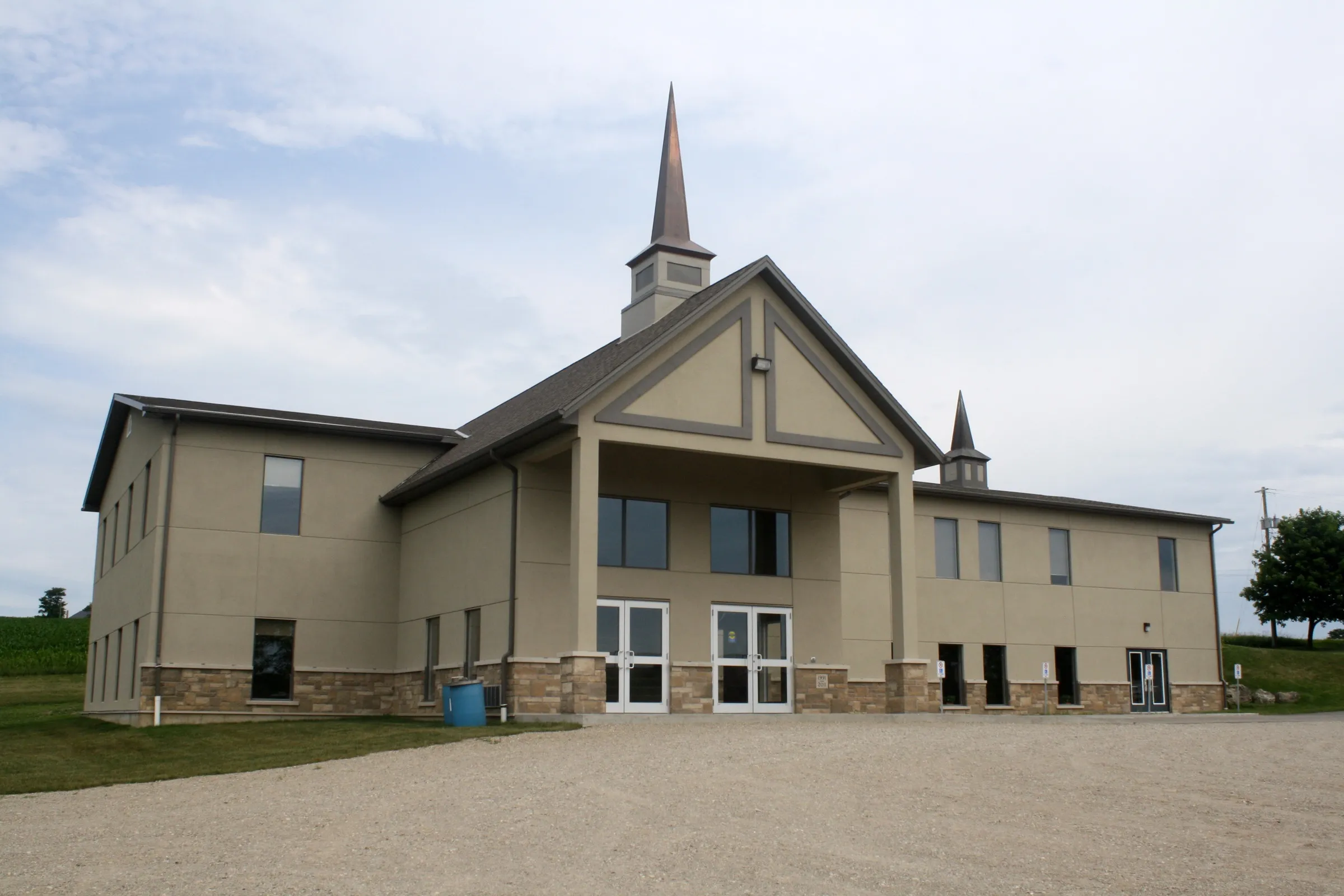
Mennonites are Anabaptist Christians who baptize believers, follow Jesus' way of peace and put a high value on community. Wellington County is home both to modern Mennonite congregations of Mennonite Church Eastern Canada and to horse-and-buggy Old Order communities.
Sister sites list the churches there too.
19 km away, at elora.church
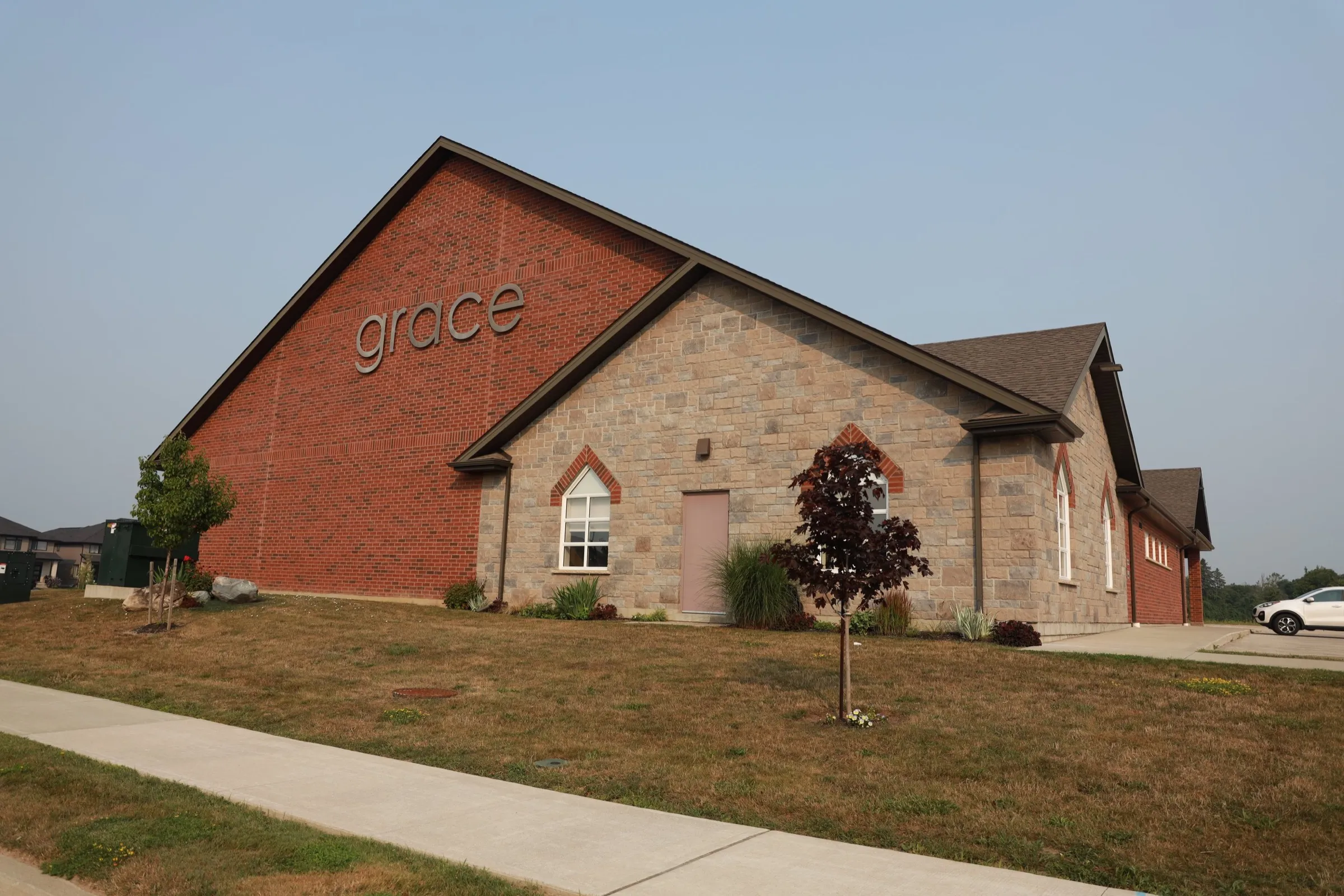
19 km away, at fergus.church
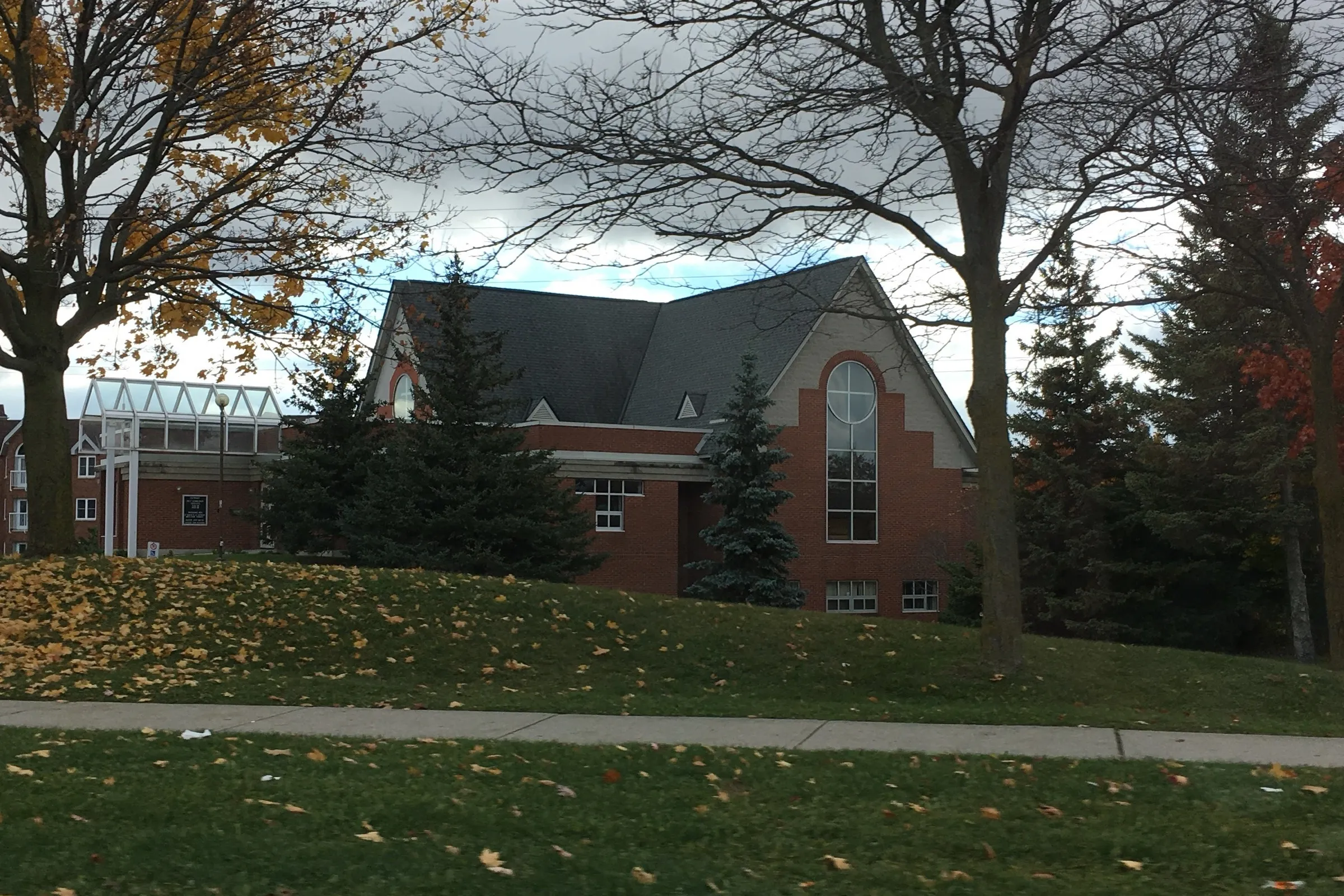
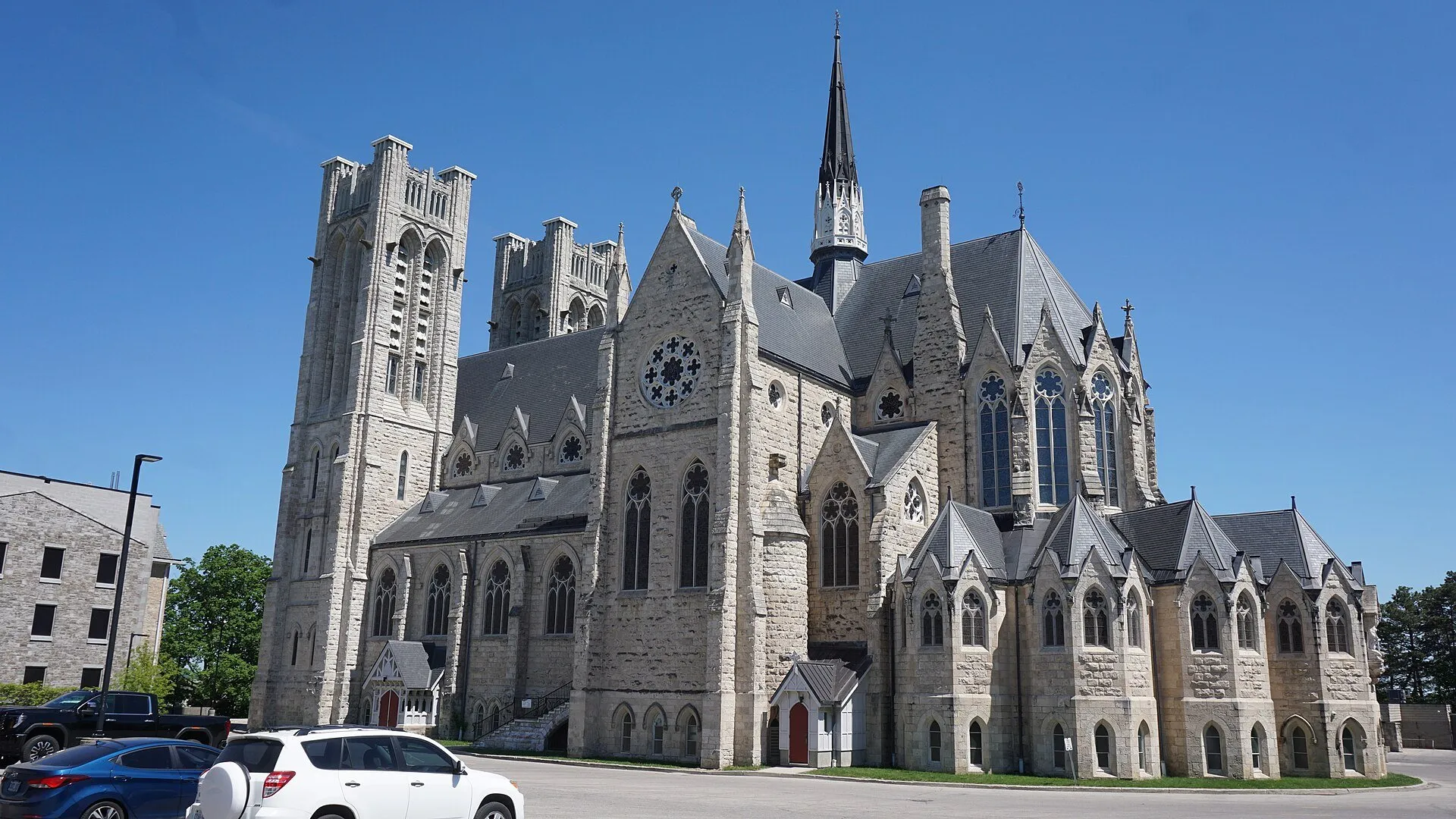
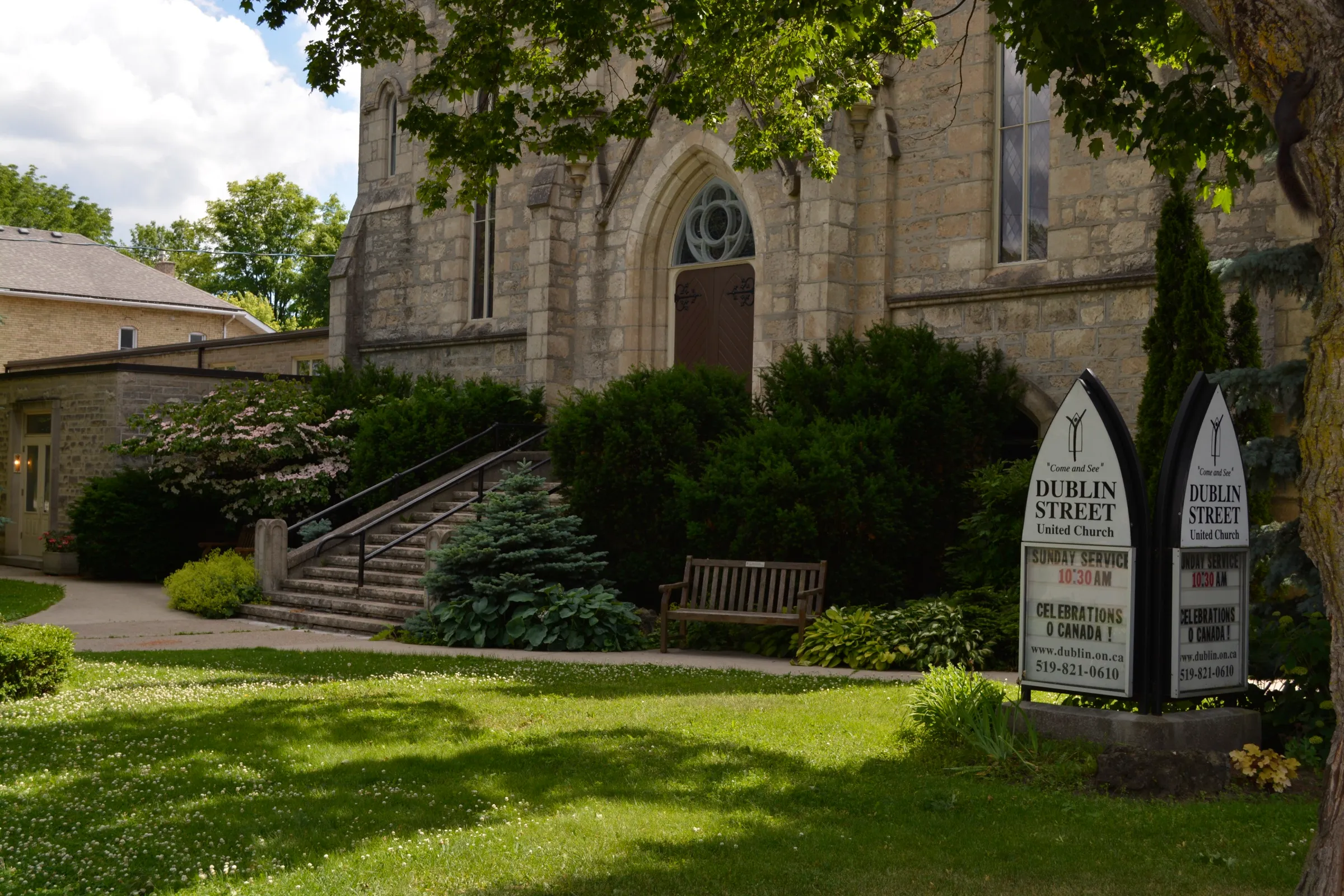
41 km away, at guelphchurch.com
Plain-language summary of Reformed belief: grace, the Bible, covenant, the Three Forms of Unity, sacraments, church life and common misunderstandings.
Catholic teaching in its own words, the common ground Reformed churches share with it, the real differences, and what a Catholic would notice on a visit.
What non-denominational means, what people value in it, what a confessional church adds, and how worship, government, baptism and membership differ.